
How to Buy Binoculars: A Simple Guide for Birding and Tahoe Adventures
Many visitors to Lake Tahoe bring binoculars so they can enjoy wildlife, birds, and lake views up close. A good pair of binoculars makes everything clearer, brighter, and more fun to see.
This guide keeps things simple. First, we give you quick recommendations. Then, if you want to learn more, you can explore the details below. You can stop reading at any time and still make a great choice.
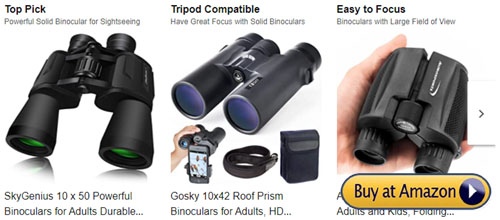
The easiest way to browse binoculars for birding is to use our Amazon link: search for Birding Binoculars
🔍 Quick Guide: What Binoculars Should I Get?
- Best all-around for birding: 8x42
- Best lightweight option: 8x32
- More zoom (but shakier): 10x42
- Compact for hiking: 8x25 or 10x25
- For boating: 7x50 (steady on waves)
- For low light: 8x42 or 10x50
These choices work beautifully for Tahoe trails, beaches, marshes, and mountain viewpoints.
🎯 Just Tell Me What to Buy
If you want a simple answer:
Get 8x42 binoculars.
They are bright, clear, easy to hold, and perfect for birding around Lake Tahoe. If you want something smaller for hiking, choose 8x32 or 8x25.
You can browse options here: search for Birding Binoculars
🔭 What the Numbers Mean (In Plain English)
Binoculars are labeled like this:
8 x 42
8 = how much closer things look (8 times closer)
42 = size of the front lens in millimeters (bigger lens = brighter image)
That is all most people need to know.
Examples:
- 8x42: best all-around for birding
- 10x42: more zoom, but shakier
- 8x25: compact and light, but not as bright
- 7x50: great for boats because the image is steadier
🌲 Which Binoculars Fit Your Tahoe Plans?
Birding and Wildlife
For spotting chickadees in the pines, tanagers in the treetops, or eagles over the lake, choose:
- 8x42 (best)
- 10x42 (if you have steady hands or use a tripod)
Hiking
Choose compact binoculars that are easy to carry:
- 8x25
- 10x25
Boating on Lake Tahoe
Because boats wobble, choose:
- 7x50 (classic marine choice)
Watching Kids at the Beach or Park
- 8x32 or 8x42
Stargazing
- 7x50 or 10x50
Home Security or Long Distance Viewing
- 8x40 or 10x50
✨ Simple Tips to Remember
- Higher magnification (10x) = more zoom but shakier.
- Bigger lenses (42mm or 50mm) = brighter image.
- Waterproof and fogproof are great for Tahoe weather.
- Roof prism binoculars are slimmer and easier to hold.
- Porro prism binoculars are bulkier but often cheaper for the same optical quality.
⚙ Technical Details (Simple Explanations)
If you want to understand more about how binoculars work, here are the main topics explained in plain English.
🔭 Magnification and Objective Lens (the numbers)
Binoculars are labeled with two numbers, such as 8x40 or 10-22x50. The first number is magnification. The second number is the lens size in millimeters. Larger lenses give brighter images but add weight.
👀 Field of View
Field of View is how wide an area you can see. Lower magnification usually gives a wider view, which is helpful for tracking birds in flight or watching wildlife move through the trees.
🔭 Exit Pupil, Relative Brightness, Twilight Factor
These measurements relate to how bright the image appears, especially in low light. Bigger exit pupils give brighter images and are easier to use on a moving boat or at dusk.
🔍 Prisms (Porro vs Roof)
Porro prisms are bulkier but inexpensive and bright. Roof prisms are slimmer, more rugged, and easier to hold, but cost more to make well.
🔍 Lens Coatings
Lens coatings help more light pass through the glass. Fully multi-coated lenses give the brightest and clearest images.
⚙ Focusing Systems
Most binoculars use center focus. Marine and astronomy binoculars often use individual eyepiece focus, which stays sharp from medium distance to infinity.
👀 Eye Relief and Eyeglasses
If you wear glasses, look for 15mm or more of eye relief and keep the eyecups in the down position so you can see the full image.
🎯 Weight
Under 30 ounces is comfortable for most people. Heavier binoculars may require a harness to avoid neck strain.
Ready to explore binoculars? Here is the link again: search for Birding Binoculars