
11 Top Lake Tahoe F.A.Q. for Visitors
Got a question about Lake Tahoe? For starters, "Where is Lake Tahoe?" You don't have to be embarrassed if you don't already know! Or, how high are the mountains? How big is the Lake?
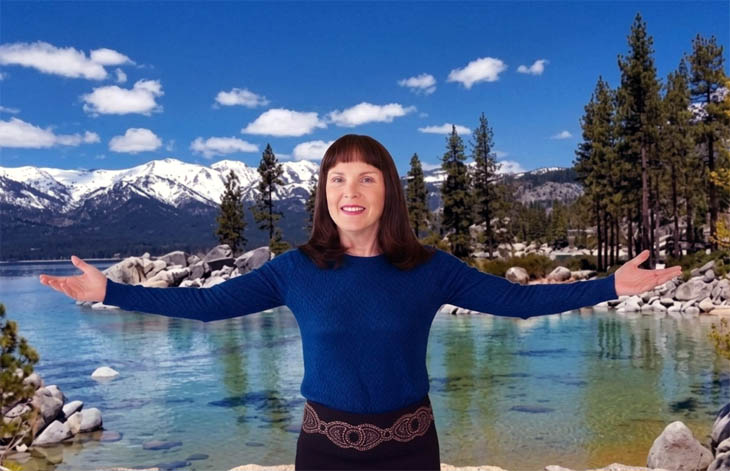
Here's a fun way to get answers about Tahoe. Click the link to "read more" that appears below each question, and you will see the answer. (To view the answers, you may need to adjust your browser's settings.)
|
Lake Tahoe has a way of capturing your heart the moment you see it. It is one of the world's largest, deepest, and clearest mountain lakes,
stretching 22 miles long and 11 miles wide, held within a 501 square mile watershed that has shaped life in the Sierra for generations. The communities around
the lake grew up with a shared commitment to protecting its natural beauty and the year round outdoor life that makes Tahoe feel like home. Nearly 85 percent
of the surrounding land is cared for by the U.S. Forest Service and the states of Nevada and California, with the rest privately owned. And honestly, numbers
aside, Tahoe is simply one of the most breathtaking places on Earth.
|
|
Lake Tahoe is a natural lake, and that is a big part of its magic. Even though it formed naturally long ago, the lake also plays an
important role in the region today. The Truckee-Carson Irrigation District uses it for water storage, and the lake level is managed at the Lake Tahoe Dam,
built in 1913 at the lake's only outlet on the north shore. That outlet becomes the start of the Truckee River at Tahoe City. It is one more example of
how the lake's natural beauty and practical purpose have been woven together for generations.
|
|
Lake Tahoe is over 2 million years old, which is amazing to think about when you are standing on its shore. Over that long span of
time, the lake has developed its clarity, depth and character after ice ages, volcanic activity and countless changes in the surrounding landscape.
And, the lake's modern story is just as fascinating, shaped by careful stewardship and the natural forces that continue to feed and protect the
lake today.
|
Show Your Tahoe Spirit
|
Lake Tahoe has a long and dramatic backstory, shaped by the land itself over millions of years. Long before any of us were here, powerful
forces in the Sierra Nevada lifted, shifted, and reshaped the basin again and again. At one point, a cluster of volcanic vents in the northwestern part of
the basin sent out flows that helped block valleys and raise the lake higher than before. It was just one chapter in a much bigger story of rising mountains,
changing landscapes, and the slow creation of the lake we see today. If you enjoy learning how Tahoe's landscape came to life, there is plenty more to explore.
|
|
No, Lake Tahoe never freezes. Even in the coldest winters, the lake stays open because of its great depth and the steady movement of its water.
The mountains around it may be covered in snow and ice, but the lake itself keeps its deep blue surface all year long.
|
Get Ready for the Beach at Tahoe
It's a good idea to keep several tubes of sunscreen in convenient places, such as the glove compartment of your car, your purse, or your RV. This way, you will always have protection when you need it at the beach.
Be ready for your day in the sun.

|
Lake Tahoe looks so blue because of its remarkable clarity and the way sunlight reflects off its deep, clean water.
On a bright day, the lake can shift from light turquoise near the shore to a rich, dark blue out in the deeper water.
It is one of the things people remember most about their first look at Tahoe.
|
|
Lake Tahoe is incredibly deep, dropping to about 1,645 feet at its deepest point.
When you look out across the lake, it is amazing to think about how much water lies beneath the surface.
That depth is one of the reasons the lake stays so clear and keeps its color year after year.
|
|
The Tahoe Basin is home to a wonderful mix of wildlife.
You might spot mule deer, black bears, chipmunks, and squirrels in the forests, along with many kinds of birds from tiny chickadees to soaring eagles.
If you spend time near the water, you may see trout, kokanee salmon, and other fish that thrive in the lake's clear, cold depths.
Wildlife is part of what makes Tahoe feel so alive.
|
Munchies for Your Tahoe Trip
Nourishment for your Tahoe trip: Shop for gourmet munchies.
It is always a good idea to stock up on munchies for your trip to Tahoe. Stock your Tahoe cabin or take along treats in your car.

|
Lake Tahoe's water is famously clear and clean, but it is still best to treat it before drinking.
The lake is part of a living ecosystem, and even the cleanest mountain water can carry natural microorganisms.
Local water systems treat Tahoe water for homes and businesses, but if you are out exploring, it is always smart to filter or boil it first.
|
|
People often talk about Tahoe as having two sides because each one has its own personality.
The North Shore is known for its quieter feel, small towns, and classic mountain charm.
The South Shore has more nightlife, entertainment, and a lively mix of visitors year round.
Both sides share the same beautiful lake, but each offers its own way to enjoy it.
|
|
Lake Tahoe is full of friendly people and active groups, so it is easy to meet others who enjoy the same things you do.
From outdoor clubs and volunteer groups to music, arts, and community gatherings, there is something for just about every interest.
You can explore our list of local groups and organizations here:
community organizations serving South Lake Tahoe and North Lake Tahoe.
It is a great way to connect with others and feel at home in the Tahoe community.
|
Tahoe Theme Hats for Your Mountain Adventures

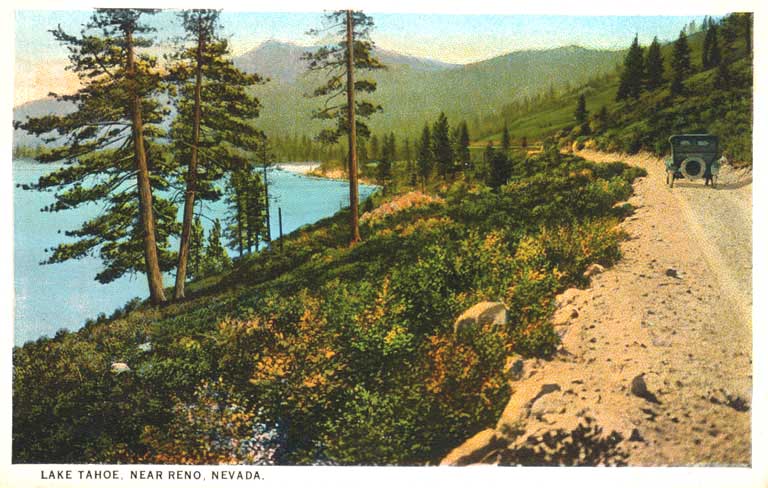
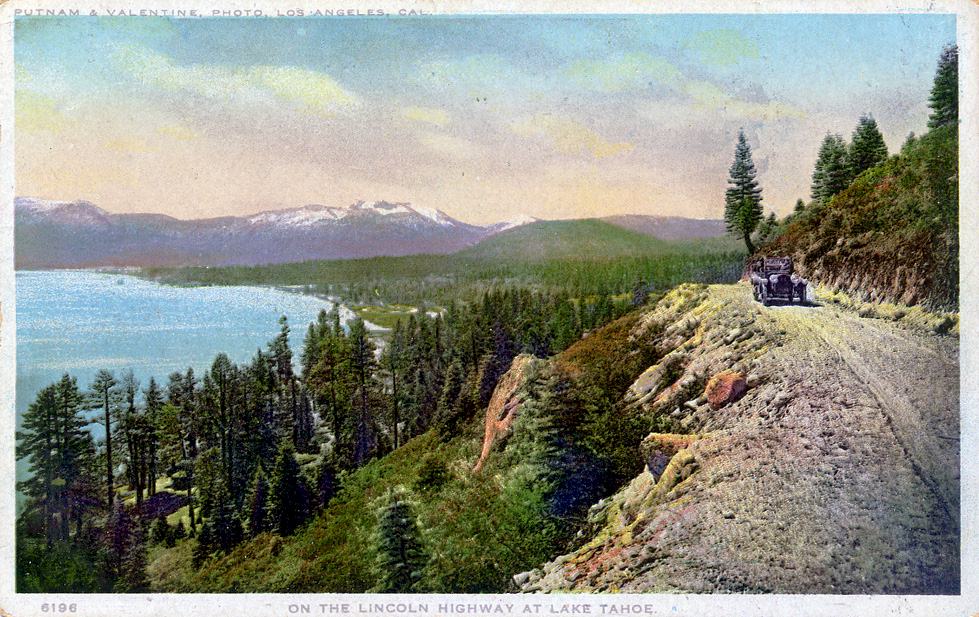
More About Tahoe's "Two Sides" North Lake Tahoe & South Lake Tahoe
Click on an antique postcard below to find out more about the special attributes of Tahoe's Two sides - North Lake Tahoe and South Lake Tahoe.
|
|
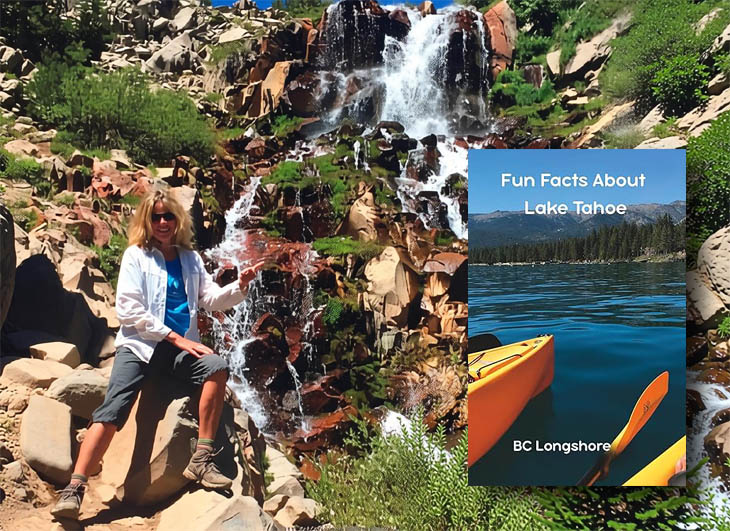
Fun Facts About Tahoe (The Book)
Are you curious for more facts about Lake Tahoe? Check out this new book...
About The Book ...