
Radon Testing Options for Home Sellers
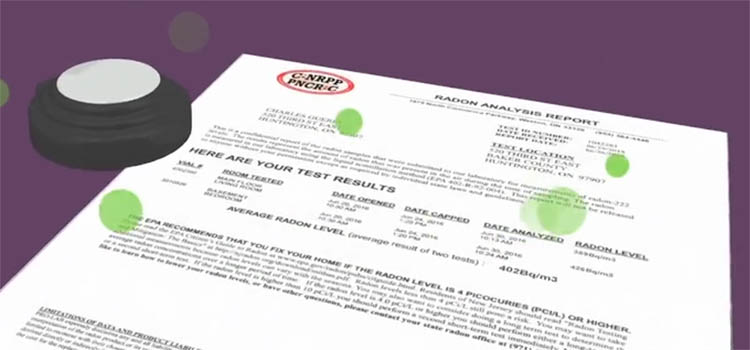
If you choose a DIY Radon test, it will be processed by a professional lab, and you will receive detailed results by mail or online. Renny our Radon Robot reviews Radon Results and provides a cheerful presence as we explore the serious issue of Radon in homes.
Two Choices: DIY Mail-In or Hire a Pro
If you are preparing to sell your home at Lake Tahoe, testing for Radon before putting it on the market can help streamline your sale and build trust with potential buyers. The EPA recommends that sellers provide Radon test results up front, and you have two main options for how to conduct that test: a do-it-yourself mail-in kit or hiring a qualified Radon professional.
DIY Mail-In Radon Tests vs. Professional Radon Testing
Home sellers can choose between two approaches when testing their home for Radon:
- Do-It-Yourself Mail-In (Mail Order) Radon Tests
These kits are inexpensive, easy to use, and widely available. You place the test in the lowest lived-in area of your home for the required time, mail it to a certified lab, and receive your results. DIY tests are a good option if you want a quick, low-cost way to screen your home before listing it. Lab results are verifiable and can be shared with buyers. - Professional Radon Testing
A certified Radon tester uses calibrated equipment and follows strict protocols. Professional tests often include continuous monitoring, tamper detection, and detailed reporting. Many sellers choose professional testing because it provides highly reliable results that buyers and real estate agents may trust more during a real estate transaction.
Both methods can provide useful information, and either may be acceptable to prospective buyers of your Tahoe home. However, professional testing is generally considered the most authoritative option when preparing a home for sale.
If Your Home Has Already Been Tested
If you have previous Radon test results, you may wonder whether they are acceptable to provide to buyers or whether you should conduct a new test. The EPA suggests reviewing a few important questions:
- What were the results of the previous test?
- Who conducted the test and what were their credentials?
- Was the test performed in the lowest lived-in area of the home?
- Has the home undergone remodeling or changes to heating, ventilation, or air conditioning since the test?
- If you have a prospective buyer, are the previous test results acceptable to them?
These questions help determine whether your earlier test is still valid. In the Lake Tahoe Basin, where homes are built on slopes, over crawlspaces, or on uneven terrain, Radon levels can vary widely even within the same structure. That makes it especially important to ensure your test results are current and accurate.
A prospective home buyer may be happy to find a Radon testing device on the table when touring a home for sale. Seeing a test already in progress can give buyers confidence that the seller is being transparent and proactive. Testing before you list is one of the smartest steps a Tahoe homeowner can take.
Why Testing Matters Before Listing Your Home
Providing Radon test results up front can help streamline your home sale. Many buyers appreciate knowing that the home has already been tested, and some states require Radon disclosure during real estate transactions, although it is not required in the Lake Tahoe area. Even if your state or county does not require disclosure, it is wise to know your Radon levels before listing your home. If elevated levels are found, the EPA recommends fixing the problem before closing.
Summary: Choosing the Best Testing Option Before You Sell
Whether you choose a DIY mail-in test or hire a professional, the most important step is simply to test your home before putting it on the market. Radon is invisible and odorless, and the only way to know your home's level is to measure it. Testing early gives you time to address any issues and present buyers with confidence and transparency.
This page is part of our Radon at Tahoe series, created to help homeowners understand Radon risks and what can be done to reduce them. Radon is a concern not only at Lake Tahoe but in many regions across the country. To explore more about Radon and how to protect your home, continue reading our Radon at Tahoe series. On each page, you can view more by clicking on one of the navigation links below.

Navigation: More Radon Information

|

|